
Introduction
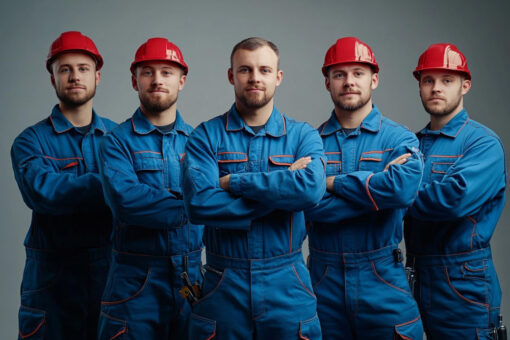
The fabric to be used for industrial uniforms is a crucial matter. For most occupations, the employee is exposed to rough handling, heavy loads, and sometimes quite worse environmental conditions. Therefore, the fabric of such uniforms must be strong, comfortable, and protective so that your staff remains safe and effective. Whether you are dressing a team of construction workers, factory employees, or engineers, the perfect material for your industrial work uniforms can make all the difference.

In this guide, we walk you through the essential factors that need to be considered in the process of selecting fabric for industrial uniforms and how you can pick the best one of those presented for your workforce needs.
Importance of Choosing the Right Fabric for Industrial Uniforms
The primary purpose of industrial uniforms is to protect workers and at the same time offer comfort while ensuring that workers are dressed correctly for work. A bad choice of fabric may cause discomfort, reduced performance, and safety risks. Here are a few key reasons why you need the right material:
Durability: The industrial industries hold much strenuous physical activity, chemicals, dust, and harsh climatic conditions. For wear, the durability of fabric would ensure that it will not get easily torn or lose shape.
Safety: For the workers operating heavy machinery or working at hazardous conditions, the important aspect will be safety. Uniforms made of flame-resistant or chemical-resistant materials could give them extra protection and minimize risks associated with accidents

Comfort: Shifts can be quite long, and the work is so physically demanding that uniforms need to allow for freedom of movement and breathability. Comfortable fabrics assist workers in staying focused on their work without feeling restricted.
Appearance: While functionality takes the bulk of the cake, appearance is also highly important. A uniform that maintains its color and fit for multiple washes maintains its professional look and therefore reinforces the image of a company.
Common Fabrics Used in Industrial Work Uniforms
Different materials serve for different purposes. The right fabric choice will depend on the specific needs of your workforce. Here’s a breakdown of the most commonly used fabrics in industrial work uniforms and their benefits:
Cotton: Cotton is a natural fiber. Worn in most industrial applications, it is breathable and feels great. It absorbs, allowing workers to cool down quickly, and they can remain dry during hot conditions. Pure cotton doesn’t really possess a high durability rating, so it tends to get blended with synthetic fibers to add to its strength.
– Polyester: Polyester is artificial fibers that do not shrink and wrinkle easily. Such a type of fabric is fine for workplaces where uniformed workers have to look the same even after being washed many times. As polyester does not absorb water, it is also resistant to water.
Polyester and Cotton Blends: Polyester and cotton mixed offer the best of both worlds. Blended fabrics are soft, breathable, and comfortable like cotton but retain the durability and wrinkle resistance of polyester. Poly-cotton blends offer versatility in use for industrial uniforms.
Nylon: It is very rugged. Nylon is a strong lightweight fabric that resists abrasion, hence suitable to be used for working men in rugged environments. It dries up fast and resists oil and chemical damage therefore also in great demand in manufacturing and construction.

introduction
In the fast-paced world of healthcare, uniforms play a crucial role beyond mere appearance. The importance of uniforms in healthcare cannot be overstated, as they serve multiple purposes that directly impact patient care, safety, and the overall functioning of medical facilities. From hospitals to clinics, healthcare uniforms have become an integral part of the medical landscape, shaping perceptions and influencing outcomes.
How do uniforms in healthcare refelct?

Promoting Patient Trust and Recognition
One of the primary reasons why healthcare uniform are so important is their ability to foster trust and recognition among patients. When patients enter a medical facility, they often feel vulnerable and anxious. Seeing staff members in professional, consistent attire can provide comfort and reassurance. Healthcare uniforms serve as visual cues that help patients identify who is responsible for their care, making it easier for them to seek assistance.
- Uniforms create a professional appearance
- Patients can easily identify different roles (e.g., doctors, nurses, technicians)
- Consistent attire builds trust and credibility
For example, a study published in the Journal of Clinical Nursing found that patients reported higher levels of confidence in healthcare providers who wore traditional white coats compared to those in casual attire.
Enhancing Safety and Hygiene

In healthcare settings, maintaining a sterile environment is paramount. Healthcare uniforms play a significant role in promoting safety and hygiene by:
- Providing a barrier between the wearer and potential contaminants
- Being designed for easy cleaning and disinfection
- Reducing the risk of cross-contamination between patients
Modern healthcare workwear often incorporates antimicrobial fabrics and treatments that help prevent the growth and spread of harmful bacteria. This feature is especially important in high-risk areas such as operating rooms and intensive care units.
Boosting Staff Morale and Unity
The importance of uniforms in healthcare extends to the staff members themselves. Wearing a uniform can:
- Create a sense of belonging and team spirit
- Eliminate the stress of deciding what to wear each day
- Promote equality among staff members, regardless of personal fashion choices
A healthcare uniform company might offer customization options that allow facilities to incorporate their branding or color schemes, further enhancing the sense of unity among staff.

Introduction
Selecting the right fabrics for hotel uniforms in the Middle East is crucial for ensuring staff comfort and maintaining a professional appearance. The unique climate and cultural considerations of the region make this task both challenging and important. In this guide, we’ll explore how to choose the best materials for hotel and resort uniforms that can withstand the heat while projecting a polished image.
Understand The Middle Eastern Climate

The Middle East is known for its hot and arid climate, with some areas experiencing extreme temperatures and humidity. When selecting fabrics for hotel uniforms, it’s essential to consider
- High daytime temperatures
- Potential for sudden sandstorms
- Varying humidity levels, especially in coastal areas
- Intense sunlight and UV exposure
These factors significantly influence the choice of materials for resort uniforms and uniforms for hotel staff.
Key Factors in Selecting Fabrics
When choosing fabrics for hotel uniforms in the Middle East, consider the following:
- Breathability: Opt for fabrics that allow air circulation to keep staff cool.
- Moisture-wicking properties: Choose materials that draw sweat away from the body.
- Durability: Select fabrics that can withstand frequent washing and sun exposure.
- Wrinkle resistance: Look for materials that maintain a crisp appearance throughout the day.
- UV protection: Consider fabrics with built-in sun protection for outdoor staff.
- Cultural appropriateness: Ensure the chosen fabrics align with local customs and expectations.
Top Fabric Choices for Hotel Uniforms
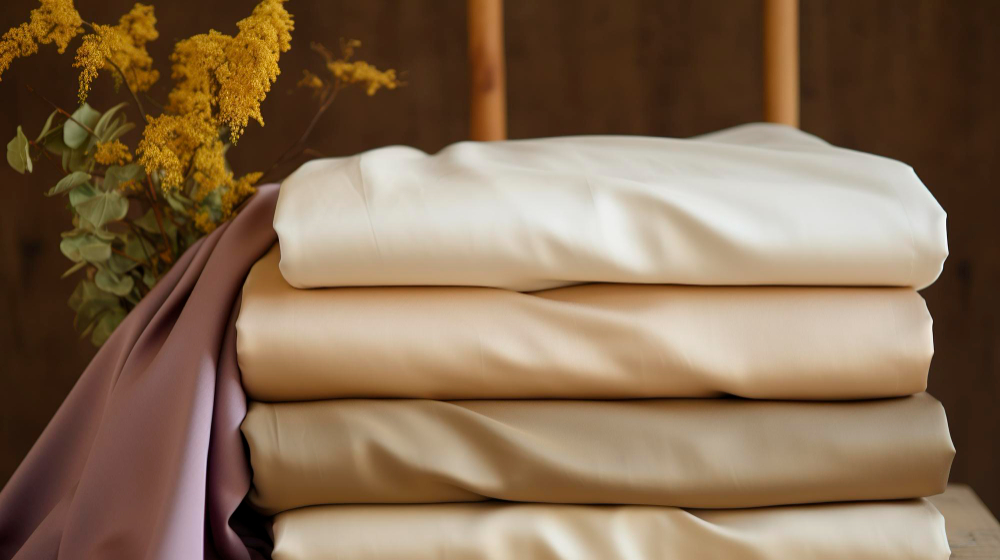
Here are some of the best fabric options for hotel and resort uniforms in the Middle East:
Cotton
Cotton is a popular choice due to its natural breathability and comfort. However, it’s prone to wrinkling and may not be suitable for all positions
Pros:
- Highly breathable
- Soft and comfortable
- Absorbs moisture well
Cons:
- Wrinkles easily
- May shrink after washing
- Less durable than some synthetic options
Cotton-Polyester Blends
These blends combine the comfort of cotton with the durability and wrinkle resistance of polyester.
Pros:
- More wrinkle-resistant than pure cotton
- Durable and long-lasting
- Retains shape well
Cons:
- Less breathable than 100% cotton
- May not wick moisture as effectively
Linen
Linen is an excellent choice for hot climates due to its lightweight and breathable nature.
Pros:
- Extremely breathable
- Naturally moisture-wicking
- Dries quickly
Cons:
- Wrinkles easily
- Can be expensive
- It may require more frequent replacements

Introduction
Creating the perfect school uniform for kids involves balancing comfort, style, durability, and practicality. At Attire Corp, we understand the importance of designing school uniforms that not only meet these requirements but also align with the school’s identity and values.
Here are some essential tips and considerations for designing the ideal school uniforms for kids.

Prioritize Comfort
Comfort is paramount when designing school uniforms. Children spend a significant portion of their day in these clothes, so it’s essential to choose fabrics that are soft, breathable, and gentle on the skin. Cotton and polyester blends are popular choices as they offer comfort, flexibility, and durability. Additionally, ensure that the uniforms are designed with enough room for movement, allowing kids to play and learn without feeling restricted.
Emphasize Durability
School uniforms should withstand the rigors of daily wear and frequent washing. Opt for high-quality fabrics that are resistant to wear and tear. Reinforced stitching, especially in high-stress areas like knees and elbows, can significantly extend the lifespan of the uniforms. Also, consider adding features like stain resistance and easy-care properties to make maintenance easier for parents.
Focus on Safety
Safety is a crucial aspect when designing school uniforms. Avoid using small parts like buttons or embellishments that can pose a choking hazard for younger children. Reflective strips or bright colors can be incorporated into the design to enhance visibility and safety, especially for children who walk or bike to school.
Ensure Practicality
Practicality is another vital factor. Design uniforms that are easy for kids to put on and take off, especially for younger children who may still need assistance with dressing. Elastic waistbands, Velcro fastenings, and simple buttoning systems can make a significant difference. Additionally, include functional pockets for convenience, as kids often need to carry small items like tissues or lunch money.